Who
is building what, and where, and are they climate and ecology friendly?
The
United Kingdom is beset by a building boom that threatens to stretch
infrastructure to breaking point. Villages and towns are easy targets
for house builders, who are looking to make profits regardless of the
damage they might do to communities, to heritage assets, and regardless
of potholes roads, that match the potholed policies of local
authorities, who are hungry for taxes to pay for their golden pensions, much
of which is for working from home, while the rest of the nation, is
taxed to the hilt by politicians who don't appear to have a clue as to
how to manage an economy - except to keep borrowing as their sticking
plasters to shore up a cancer that is eating into society.
The Scarlet Thread: When Builders Betray Quality and Councils Ignore Consent
By Our Investigative Team
Across the United Kingdom, the narrative of a national housing crisis has authorized a building boom. Yet, as land is rapidly converted to concrete and
timber frames, a dangerous scarlet thread runs through this expansion: an escalating crisis of build quality, persistent homeowner complaints, and the irreversible environmental damage stemming from questionable planning decisions.
The rush to meet arbitrary volume targets appears to have overridden both diligence in construction and prudence in governance, leaving residents facing structural flaws and pristine environments suffering pollution.
The Quality Catastrophe: A Flood of Complaints
The anecdotal horror stories of new-build homes—faulty foundations, leaking roofs, inadequate insulation, and persistent snagging issues—have reached critical mass. Major developers, driven by profit margins and speed, often operate under a regime of minimal quality control, relying on warranties to clean up the fallout rather than ensuring standards from the outset.
For many new homeowners, the dream of a 'fresh start' quickly turns into a nightmare of endless snag lists. Home Builders Federation (HBF) data, while imperfect, consistently reflects high dissatisfaction among buyers of newly constructed homes. The underlying problem is systemic: a lack of independent, mandated inspection and a market where developers face minimal financial consequences for poor craftsmanship. Once the sale is finalized, the burden of fixing structural deficiencies shifts entirely to the beleaguered resident.
The Green Belt Dilemma: Politics vs. Protection
Perhaps the most contentious flashpoint in the UK housing debate is the continued erosion of Green Belt land. Established to prevent urban sprawl and protect natural resources, these sensitive areas are increasingly targeted for large-scale housing estates.
The complaints from local residents and environmental groups are often fierce and well-documented. They argue that development on Green Belt or high-risk flood plains frequently involves a catastrophic disregard for local ecology, and that the infrastructure (roads, schools, drainage) is incapable of supporting the sudden population influx.
Yet, time and again, local councils—often facing immense pressure from central government targets and well-funded development lobbyists—grant planning consent. These decisions are frequently characterized by:
1. Override of Local Plans: Consent granted despite clear conflicts with existing local development strategies or neighborhood plans.
2. Insufficient Mitigation: Environmental Impact Assessments (EIAs) that underestimate the impact on wildlife or fail to provide robust, long-term pollution mitigation strategies.
3. Ignoring Objections: Thousands of resident and parish council objections often summarized and dismissed in final reports, prioritized beneath the perceived national necessity of meeting housing figures.
This environment has fostered a deep mistrust, leaving residents feeling that democratic processes are being sidestepped to favor powerful development interests.
Water and Wildlife: The Cost of Complacency
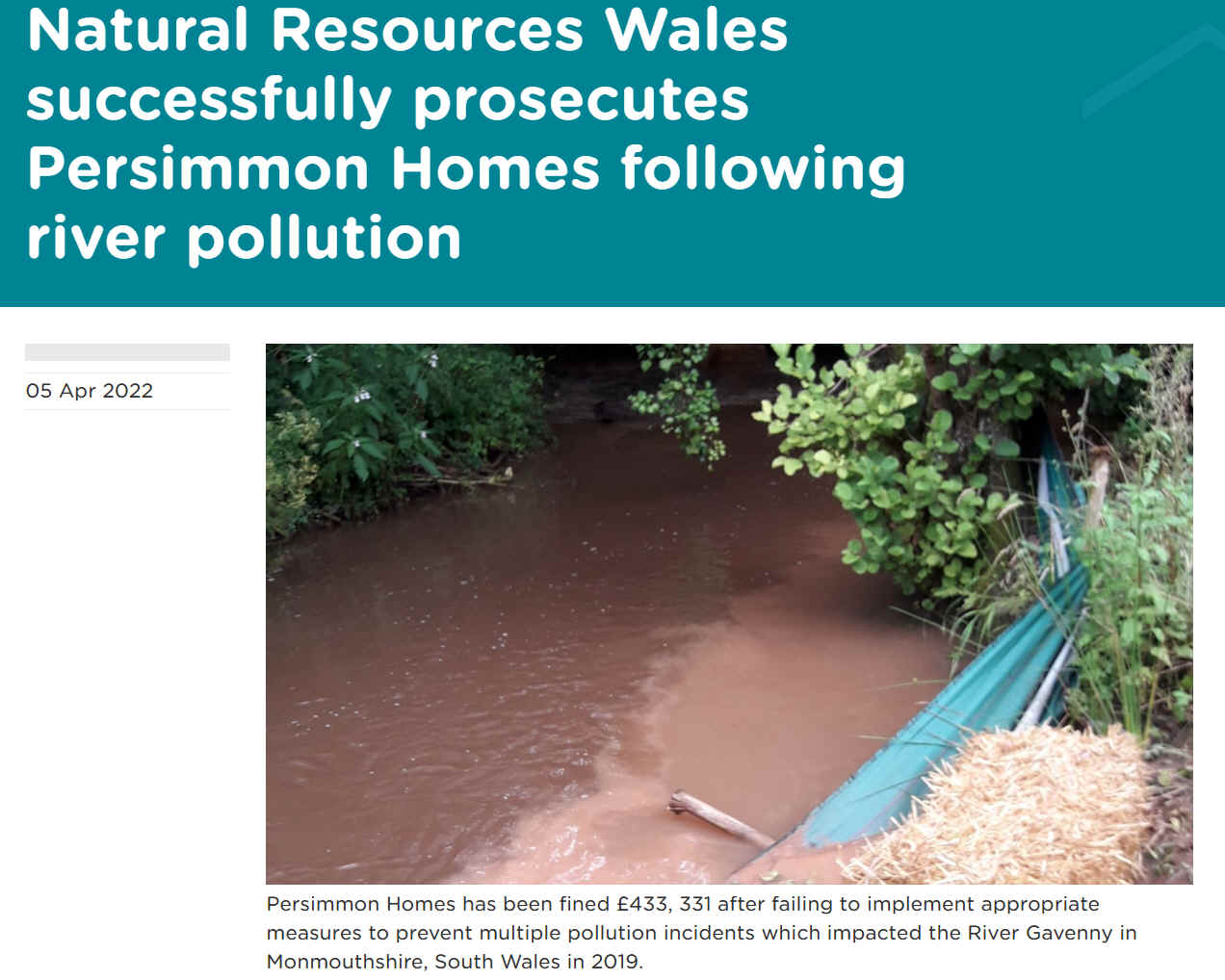
The environmental fallout from rushed, poorly regulated Green Belt construction is severe, with water pollution emerging as a particularly grave consequence.
Development on sensitive land often disrupts natural drainage systems, leading to increased surface runoff and sedimentation. The result is:
- Sediment Pollution: Construction activities frequently allow silt, concrete washings, and contaminated soils to enter local watercourses, choking river life, disrupting spawning grounds, and impacting water treatment infrastructure.
- Chemical Contamination: Poor site management can lead to leakage of fuels, chemicals, and poorly contained sewage (especially during infrastructure hookups), directly compromising local aquifers and habitats.
These incidents often occur because of inadequate enforcement by environmental agencies and a lack of required site monitoring within the planning consent agreement itself. The damage is frequently irreversible, permanently altering delicate ecosystems that took millennia to evolve.
Conclusion: A Demand for Accountability
The current housing model risks undermining faith in both our builders and our local government. The solution requires a fundamental shift in priority: quality and environmental stewardship must outweigh the speed of delivery.
The call to action for Parliament, regulators, and councils is clear:
1. Strengthen Independent Inspection: Introduce compulsory, staged independent inspections (similar to continental models) to ensure quality control throughout the build process, not just at the end.
2. Impose Penalties: Implement severe financial penalties and blacklisting for developers who consistently deliver substandard work or violate environmental protection laws.
3. Re-evaluate Planning Pressure: Councils must be empowered to resist national housing targets where they demonstrably conflict with local environmental protection and resident welfare, particularly regarding sensitive areas like the Green Belt.
Until accountability replaces expediency, the UK’s newest housing stock will remain a source of anguish for homeowners and a stain on the landscape we seek to protect.
....
In
the rush to make money, a few house builders cut corners, pollute
waterways, and fail to maintain properties, or even construct them to a
good standard. On the other side of the coin, there are some truly
excellent builders in the UK, worthy of mention, with high moral
standards, and high build quality. This website is dedicated to telling
it like it is. The truth, the whole truth, and nothing but the truth.
Some of which is sure to upset the building firms who may not be quite
up to scratch.
And then, there are those companies working hand in glove
with corrupt local officials, to skirt around their legal obligations,
even though their function is protected in law by the Fraud Act 2006.
Yes, it is true, and they are rarely, if ever prosecuted, because
council taxes pay local police, introducing a conflict of interest, that
sees white collar criminals going Scott-free. A get out of jail card, if
ever there was one. The planning game is one great big Monopoly,
controlled those who sit on committees, to keep the interests of their
chums, and their investments protected. Allegedly.
Please use our
A-Z INDEX to
read more